My
wife and I were huge fans of Tom Selleck and his 1980s TV crime drama, Magnum, P.I.
I
liked the mix of humor and drama and I liked that the character of Thomas Magnum
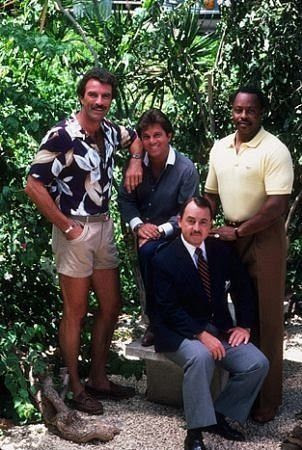
was a Navy veteran of Vietnam, as were his two friends, former Marines Rick and TC. All
were well-adjusted vets. (Higgins was also a well-adjusted WWII veteran).
At
the time, Vietnam veterans in films and on TV were nearly all portrayed as troubled and
violent offenders, but the Magnum TV show and the speeches of President Reagan
changed that, thank you very much.
The
show often harkened back to the Vietnam War and those episodes offered serious
drama. But mostly, the crime show showed the goofy and fun-loving side of
Magnum and his friends, plus action and mystery on Hawaii.
I
watched an episode of the new rebooted Magnum, and I didn’t see the point. I’ve
not watched another episode, but I still watch and enjoy the reruns of Tom Selleck’s
Magnum.
Keith
Roysdon at CrimeReads.com offers a look back at Tom Selleck and Magnum, P.I.
The
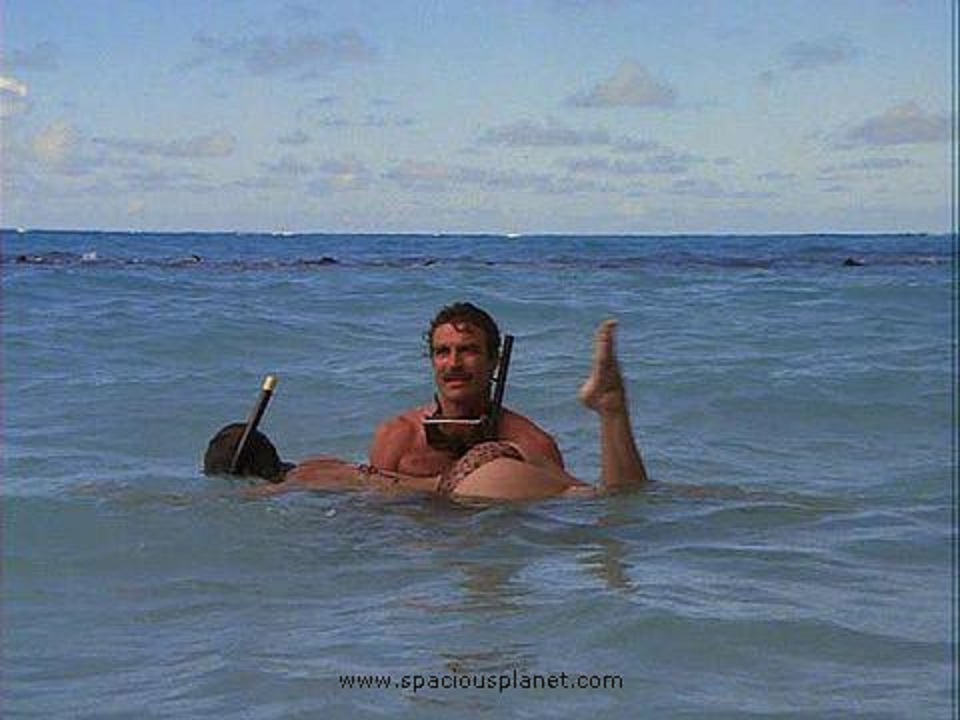
Ferrari. The Hawaiian shirts. The short-short shorts. The mustache!
For
eight TV seasons, “Magnum, P.I.” offered the world a glimpse into
paradise—admittedly, the paradise of a 1980s private eye living rent-free at a
gorgeous Hawaiian estate. Thomas Magnum, a Vietnam veteran, was head of
security for Robin’s Nest, the home of an elusive writer of bestselling
thrillers.
The
series made Tom Selleck a star, and deservedly so. Selleck could play both the
charming overgrown adolescent and daring action hero without even changing
tropical print shirts.
For
the past two seasons, the CBS reboot of the Selleck series has struck many of
the same notes: a White Knight hero with a military background, surrounded by
war buddies, serving at the whim of Robin Masters and butting heads with
Higgins, Robin’s proper Brit majordomo with little tolerance for Magnum’s
shenanigans. This time, however, Selleck’s deck shoes are filled by Jay
Hernandez and Higgins isn’t played by the pitch-perfect, supercilious John
Hillerman but by Perdita Weeks. It is a gender-reversal that’s delightful in
part because Weeks’ Higgins is the real kickass action star of the new series.
But
there’s no shame in the game of the Selleck-infused original. Here’s a look at
some of the strong suits of the shows and the classic TV private detective
character
The
story of “Magnum, P.I.” really begins in 1968 with the debut of “Hawaii
Five-O,” a CBS series set and, untypically for television, filmed in Hawaii,
which the history books remind us had become the nation’s 50th state just
nine years earlier.
… Integral
to the series was the idea of making Magnum, T.C. and Rick veterans of the
Vietnam War. From the late 1960s on, television series had portrayed Vietnam
vets as tortured souls who were prone to breaking down and carrying out violent
acts. In “King of the Hill,” a January 1969, first-season episode of “Hawaii
Five-O,” the great Yaphet Kotto played a Marine and vet who barricades himself
in a wing of a Honolulu hospital and, believing himself back in action, takes
hostages.
But
“Magnum P.I.” made its lead characters Vietnam Veterans who, while sometimes
haunted by their time in service, were honorable, stable men. Over the life of
the show, echoes of Vietnam were felt many times.
During
the development of the pilot, Bellisario and Larson created a fourth character
who would be essential to the show—with great variation in the 2018 reboot.
John Hillerman joined Selleck, Larry Manetti (Rick) and Roger E. Mosley (T.C.)
in the cast and played Higgins, the majordomo of Robin’s Nest, the beachfront
estate owned by author Robin Masters. Higgins was frequently exasperated that
his employer would allow Magnum to live in the estate’s guesthouse in return
for performing security services and the occasional private eye duties.
Higgins’
initially condescending and even tormenting attitude toward Magnum softened
somewhat over the years as the two (and Rick and T.C.) found common ground in
their shared military past: Higgins was a lifelong British soldier, even
joining the other three on missions (as we’ll see).
The
first mission for “Magnum, P.I.” was to survive in the jungle of television.
“Magnum,
P.I” debuted on CBS on December 11, 1980. For weeks before the show aired, U.S.
newspapers—no doubt relying on wire service copy—repeatedly referred to the
title character as a “fun-loving ex-Navy man” or “fun-loving private
investigator.”
You
can read the rest of the piece via the below link:
A P.I. in Paradise: How 'Magnum' Set the Standard for '80s TV Detectives | CrimeReads